



Data XL began with people who had already spent years building systems together: in public health, in data-heavy work, and across projects where software had to survive real use.

01 The Work
Before Data XL became a company with services and focus areas, there was the work itself: health data systems, reporting tools, operational platforms, integrations, dashboards, and the constant practical questions that come with real delivery. How do people actually use this? Where does the data come from? Who needs to trust it? What happens after launch?
The founders brought together a shared interest in engineering, data, public health, and partnerships. Those interests were connected from the start, because the work itself demanded it. Useful systems need people who understand technology, delivery, clients, users, and context together.
We brought experience from public-sector projects, private companies, and academic environments, which helped shape a company comfortable moving between research, operations, delivery, and long-term systems.
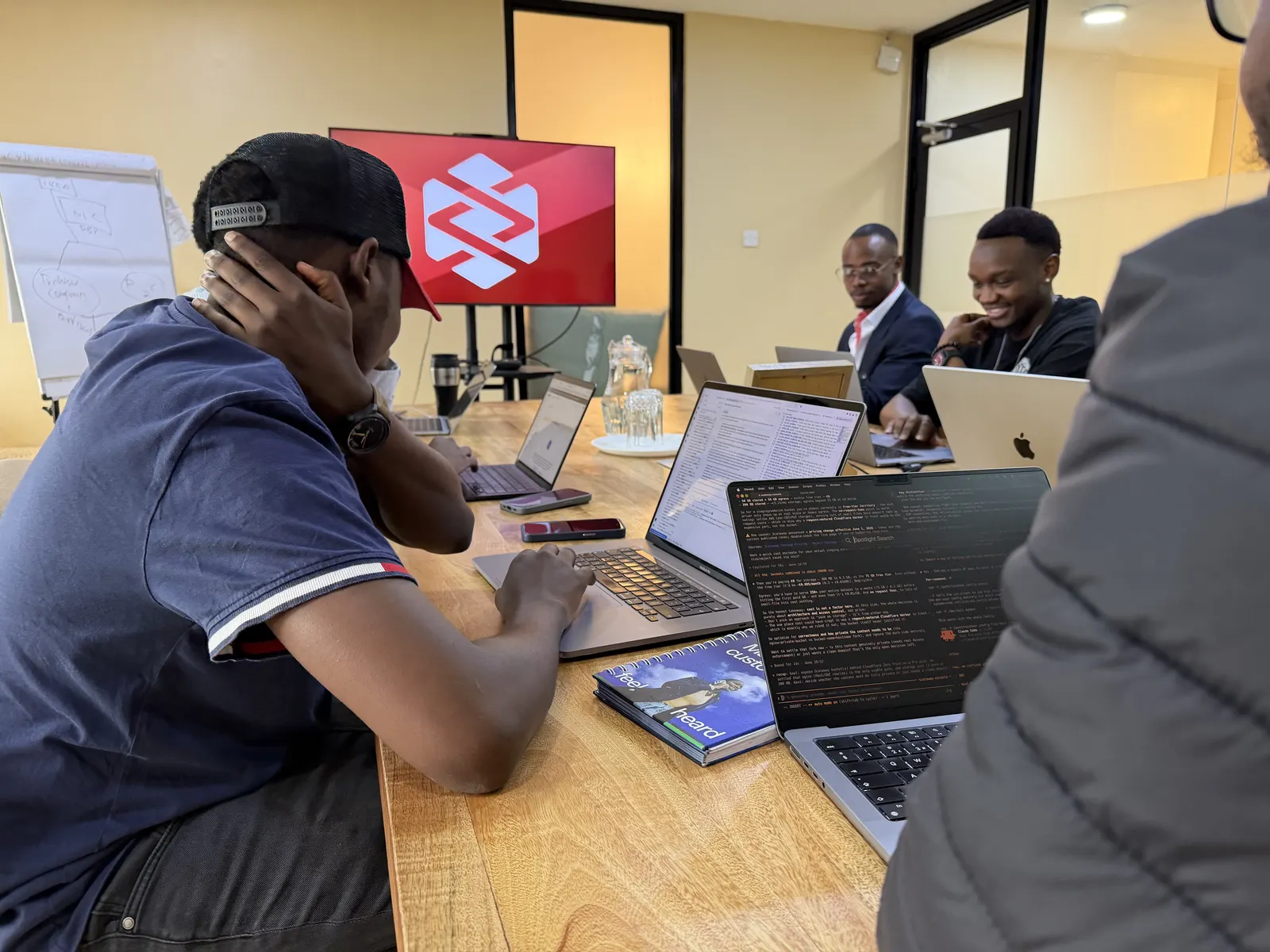
As the company grew, the team grew with it: engineers, data specialists, public health experience, QA, business development, and project delivery. The company is taking shape around the kind of systems we want to build: practical, reliable, and useful in real settings.

02 Nairobi · Kampala · The Hague
Data XL has grown around Nairobi, Kampala, and The Hague. Those places matter to the company: they shape our relationships, our delivery base, our clients, and the way we think about international work.
They also shape how we think about data sovereignty. Organisations should know where their data lives, who can access it, which laws apply, and which providers they depend on. We want to help African, European, and international organisations build systems with more control over their own data and infrastructure.
03 Principles
Some principles keep coming back in our work: build systems people can understand, protect sensitive data, document what matters, automate carefully, keep delivery practical, and choose infrastructure with sovereignty and long-term control in mind.
These principles come from working on systems where trust, privacy, reporting, and continuity matter.